What To Expect During A Piles Consultation?
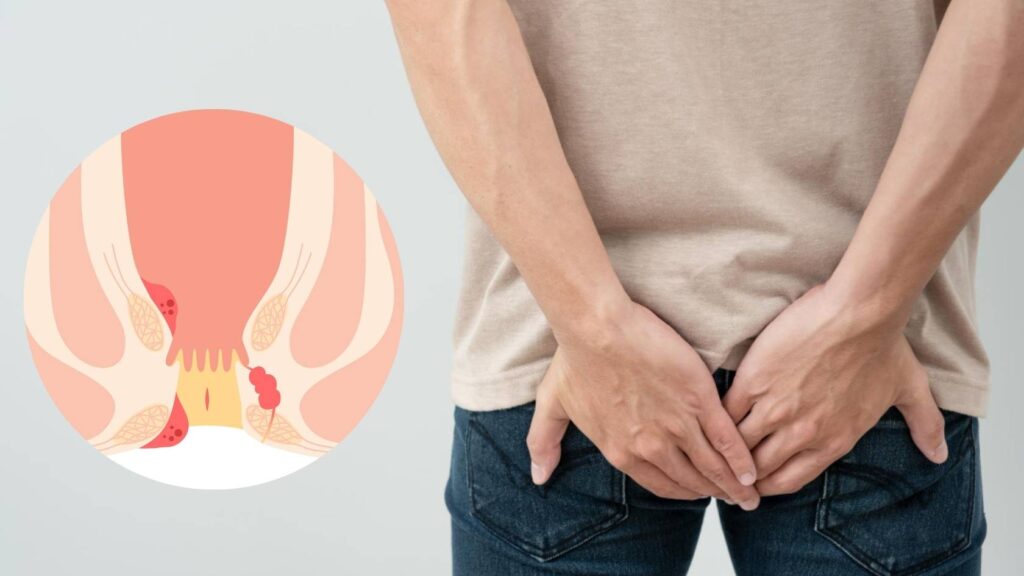
If you are planning to visit a healthcare provider for piles-related symptoms, understanding what happens during a consultation can help you feel more prepared and confident. During a piles consultation in Thrissur, the process is usually structured to evaluate symptoms, identify the type and severity of hemorrhoids, and determine the most suitable management approach. A consultation is not only about diagnosis but also about education, guidance, and personalized care planning.
1. Initial Discussion And Medical History Review
The consultation usually begins with a detailed discussion about your symptoms and medical background. You may be asked about the duration of symptoms such as pain, bleeding, itching, swelling, or discomfort during bowel movements. The doctor may also inquire about changes in bowel habits, constipation, diarrhea, or straining during defecation.
In addition to current symptoms, you may be asked about past medical conditions, previous treatments for piles, medications you are currently taking, and any known allergies. Lifestyle-related factors such as diet, physical activity, occupation, and daily routines may also be discussed, as these can influence hemorrhoid development and symptom severity.
This initial assessment helps create a clear clinical picture and supports accurate diagnosis.
2. Explanation Of Symptoms And Their Possible Causes
After gathering information, the healthcare provider may explain how your symptoms relate to piles. This step helps patients understand what is happening in the body and why specific symptoms occur.
For example, bleeding during bowel movements may be explained as a result of swollen blood vessels in the rectal area, while pain or discomfort may be associated with inflammation or external hemorrhoids. Understanding symptom causes helps patients recognize the importance of early management and lifestyle changes.
This part of the consultation is educational and aims to improve patient awareness and cooperation in treatment planning.
3. Physical Examination Process
A physical examination is often part of the consultation. This step is performed carefully and respectfully to assess the condition of the anal and rectal area.
For external piles, visual inspection may be sufficient to identify swelling, inflammation, or skin tags. For internal piles, a digital rectal examination or use of specialized instruments such as a proctoscope may be required. These examinations help determine the type, size, and grade of hemorrhoids.
Patients are usually guided on positioning and comfort measures during the examination. The goal is to gather accurate information while minimizing discomfort.
4. Diagnostic Tests And Additional Evaluation
In some cases, additional diagnostic tests may be recommended. These are usually advised when symptoms such as persistent bleeding or unexplained pain are present.
Common evaluation methods may include anoscopy or proctoscopy to view the internal rectal area more clearly. In selected cases, further tests may be recommended to rule out other conditions that can mimic piles symptoms.
Not every patient requires advanced testing. The decision depends on symptom severity, medical history, and examination findings.
5. Identification Of Piles Type And Severity
One of the main objectives of the consultation is to classify the type and stage of piles. Hemorrhoids are generally categorized as internal or external and further graded based on severity.
Early-stage piles may present mild symptoms and respond well to conservative management, while advanced stages may involve prolapse or persistent discomfort. Identifying the correct grade helps determine the most appropriate treatment approach and expected outcomes.
Clear classification also allows patients to understand their condition better and follow recommended care plans effectively.
6. Discussion Of Treatment Options
After diagnosis, the doctor will discuss available treatment options based on your condition. This discussion usually includes non-surgical, minimally invasive, and surgical approaches when applicable.
For mild piles, recommendations may include dietary adjustments, increased fluid intake, and medication-based symptom management. Moderate piles may benefit from office-based procedures, while advanced cases may require surgical intervention.
The consultation allows patients to ask questions about different options, benefits, possible limitations, and recovery expectations. This shared decision-making approach supports informed treatment choices.
7. Lifestyle And Dietary Guidance
Lifestyle modification plays an important role in piles management. During the consultation, patients often receive guidance on diet, hydration, and daily habits.
You may be advised to increase fiber intake through fruits, vegetables, and whole grains to promote smooth bowel movements. Drinking adequate water is commonly recommended to reduce constipation and straining.
Other lifestyle advice may include avoiding prolonged sitting, maintaining physical activity, and following healthy bathroom habits. These measures help prevent symptom worsening and recurrence.
8. Explanation Of Preventive Measures
Prevention is a key part of piles care. During the consultation, patients are often educated about steps to reduce future risk.
Preventive measures may include maintaining regular bowel routines, avoiding excessive straining, practicing proper hygiene, and managing weight when necessary. Understanding preventive strategies empowers patients to take long-term control of their digestive health.
This proactive approach supports better outcomes and reduces the likelihood of repeated flare-ups.
9. Addressing Patient Concerns And Questions
A piles consultation also provides an opportunity for patients to express concerns and clarify doubts. Many individuals feel anxious about symptoms, procedures, or potential treatments.
The healthcare provider may address common questions related to discomfort, recovery time, daily activity restrictions, and symptom monitoring. Open communication helps build trust and ensures patients feel comfortable with the recommended care plan.
Patients are encouraged to ask questions and seek clarification to make well-informed decisions about their health.
10. Personalized Treatment Planning
Every patient’s condition is unique, and treatment plans are tailored accordingly. After completing the evaluation, the doctor may outline a personalized plan based on symptom severity, lifestyle factors, and medical history.
This plan may include medication schedules, follow-up visits, dietary guidelines, or recommendations for further procedures if needed. A structured treatment plan helps patients follow care instructions more effectively and track progress.
11. Follow-Up Recommendations
Follow-up visits are often an important part of piles management. During the consultation, patients may be informed about the need for review appointments to assess symptom improvement or treatment response.
Follow-up schedules vary depending on the treatment approach and individual progress. Regular monitoring helps ensure timely adjustments and supports long-term symptom control.
12. Emotional And Psychological Support
Living with piles symptoms can affect emotional well-being and daily comfort. During the consultation, healthcare providers may also offer reassurance and emotional support.
Understanding that piles are a common and manageable condition helps reduce anxiety. Patients may feel more confident knowing that appropriate care options are available and that symptoms can be effectively addressed with proper guidance.
13. Preparation Tips For A Piles Consultation
To make the most of your consultation, it is helpful to prepare in advance. Patients may consider noting down symptoms, duration, previous treatments, and any medications currently being used.
Wearing comfortable clothing and maintaining personal hygiene can also help during physical examination. Being open and honest about symptoms ensures accurate evaluation and effective treatment planning.
14. Importance Of Early Consultation
Seeking medical advice at an early stage can prevent symptom progression and complications. Early consultation allows timely management and reduces the likelihood of advanced disease requiring invasive treatment.
Prompt evaluation also supports better symptom control and improves overall quality of life.
15. Final Overview
A piles consultation in Thrissur is a structured process that includes symptom assessment, physical examination, diagnosis, treatment discussion, and personalized care planning. Understanding what to expect helps patients feel prepared and confident when seeking medical support. With proper evaluation and guidance, individuals can manage symptoms effectively and take steps toward long-term digestive health.
Table Of Content
Introduction
Piles, also known as hemorrhoids, are swollen blood vessels in the anal or rectal area that can cause pain, itching, or bleeding. Learn more
Candidates
Good candidates are individuals with persistent symptoms such as bleeding, pain, or prolapse that do not improve with conservative management. Learn more
Cost
The cost of piles treatment in Thrissur varies depending on the treatment method, disease severity, hospital facilities, and postoperative care needs. Learn more
Questions
You should ask about treatment methods, recovery time, possible risks, expected results, and follow-up care. Learn more
Risks and safety
Piles treatment is generally safe when properly performed, though risks may include pain, bleeding, infection, or recurrence. Learn more
Preparation
Preparation includes medical evaluation, medication adjustments, dietary guidance, bowel preparation if required, and planning postoperative care. Learn more
Steps
The procedure typically includes anesthesia, removal or reduction of hemorrhoidal tissue, bleeding control, and postoperative monitoring. Learn more
Recovery
Recovery usually involves gradual pain reduction, wound healing, bowel habit regulation, and return to daily activities over time. Learn more
Results
Results often include relief from pain and bleeding, improved comfort during bowel movements, and better quality of life. Learn more
Before-and-after
Before-and-after results commonly show reduced swelling, symptom improvement, and restoration of normal anal function. Learn more
Frequently Asked Questions
1. What happens during a piles consultation?
A piles consultation usually includes symptom discussion, medical history review, physical examination, and evaluation of suitable treatment options.
2. Is a physical examination always required during a piles consultation?
In many cases, a physical examination is needed to accurately assess the type and severity of hemorrhoids, depending on symptoms and clinical findings.
3. How long does a piles consultation usually take?
A typical piles consultation may take around 15 to 30 minutes, depending on the complexity of the case.
4. Should I prepare anything before visiting for a piles consultation?
It is helpful to note your symptoms, previous treatments, current medications, and relevant medical history before the appointment.
5. Will diagnostic tests be done during the first consultation?
Some patients may require basic diagnostic evaluation during the first visit, while others may not need additional tests.
6. Can I discuss treatment options during the consultation?
Yes, treatment options are usually discussed to help patients understand available management approaches.
7. Is lifestyle advice given during a piles consultation?
Yes, patients often receive guidance on diet, hydration, and daily habits to support symptom control.
8. Are follow-up visits discussed during the consultation?
Follow-up recommendations are commonly provided to monitor progress and adjust treatment plans.
9. Can I ask questions about piles symptoms during the consultation?
Yes, patients are encouraged to ask questions and clarify concerns related to symptoms and management.
10. Why is early consultation important for piles?
Early consultation helps prevent symptom progression, supports timely treatment, and reduces the risk of complications.